
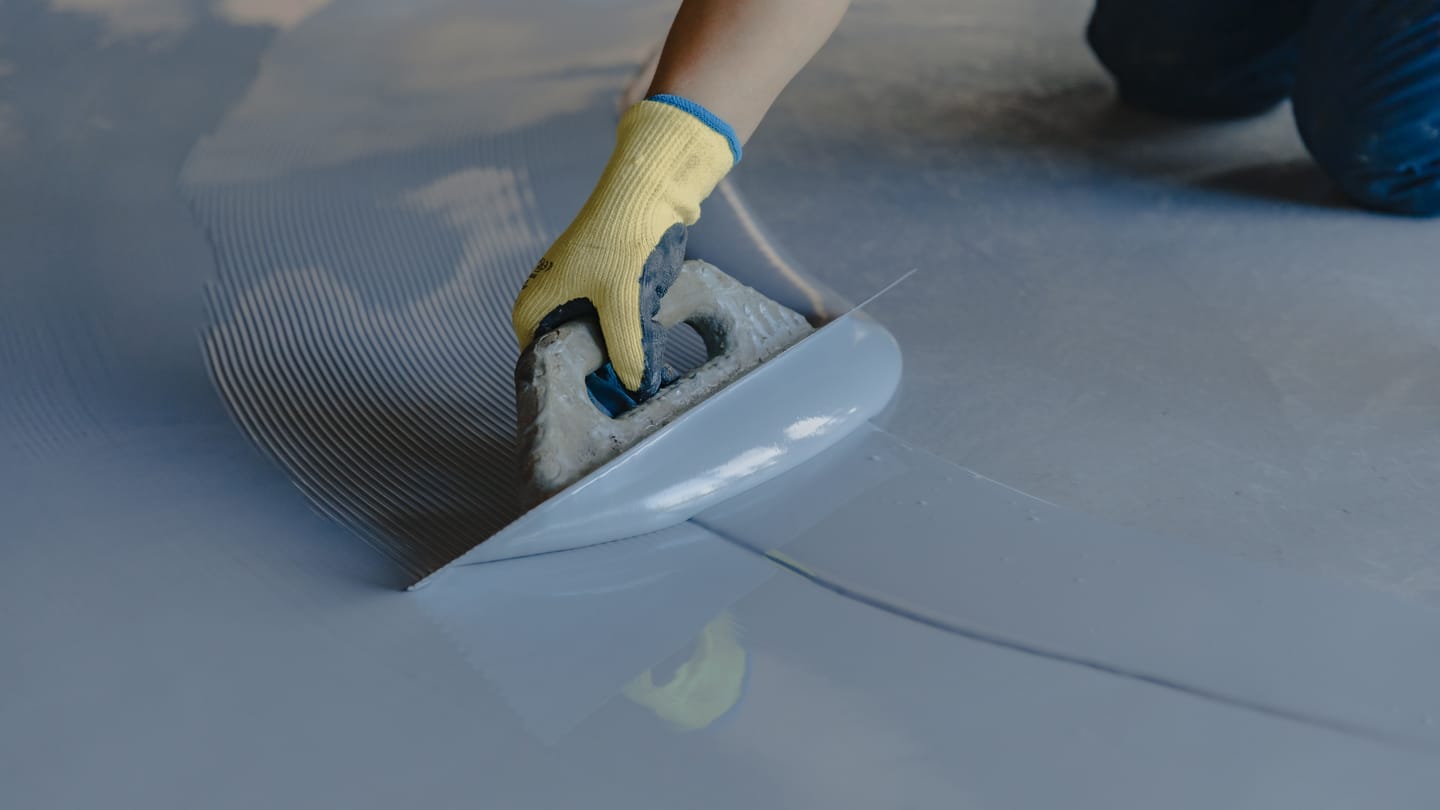
A powder coating operation is insured through a package of property, liability, equipment and workers’ compensation coverages, and the mix depends on whether you coat in a fixed shop, at customers’ sites, or both. This post lists what to ask about. It is written by an agency that places insurance for epoxy flooring contractors, so a pure powder coating shop should also ask for a program from an agent who writes shop and manufacturing risks.
What does a shop need to insure?
A fixed shop has a building, equipment and customers’ parts. The Virginia Bureau of Insurance says inland marine insurance is written to cover property in the custody of bailees «such as dry cleaners, processors, laundries, etc.» A shop that coats parts for customers holds property for others, and that is the exposure the sentence describes.
Ask your agent how customers’ parts are covered while they sit in your shop, in the oven line, or on the rack waiting to be picked up. Our commercial property page covers the building and contents side.
What does general liability cover and leave out?
General liability answers claims by other people for injury or damage you cause. The California Department of Insurance lists the major exclusions to include pollution, mobile equipment, damage to your work and «care, custody, and control.» Those are the doors where a powder coating operation meets its coverage gaps.
Ask whether the policy excludes the customer’s property in your care, whether pollution is excluded, and how the application, curing and cleanup steps are described on the application. A policy is only as accurate as the description of the operation it was written from. A shop should ask how its own policy treats pollution; our post on contractors pollution liability explains the coverage question.
What changes if you coat at customers’ sites?
A mobile contractor carries tools and a vehicle. Equipment that travels is the job of an equipment floater; the Virginia guide says inland marine insurance may cover «contractors’ equipment.» Our tools and equipment coverage page shows how that coverage is placed, and a commercial auto policy covers the vehicle.
If you coat floors at customers’ sites, as an epoxy contractor does, our general liability page is the place to start.
What about employees?
Workers’ compensation is a state-by-state question. If you have employees, check your state’s rules and ask your agent how your operation is classified. The requirement varies by state, and your state labor or insurance department is the authority on what applies to you. Ask too whether workers who handle parts, run the oven line or spray in the booth are rated differently from office staff, and have the answer in writing.
What should you bring to the conversation?
An underwriter reads facts. Bring:
- a description of the process, in your own words, from preparation to cure
- where the work happens: shop, customer site, or both
- the equipment you own and where it sits
- the kinds of customers and parts you handle
- payroll and the number of people on the floor
- any contract or lender requirement
Do not assume a coverage applies. Ask for the answer in writing.
Next step
If you coat floors at customers’ sites, we can place the program through our epoxy flooring business insurance hub. Browse the other coverage pages first if you like, then send a description of your work and request a quote. If you run a fixed powder coating shop, share that too, and we will tell you plainly whether we are the right fit.